
Showing all 4 results

Need a hard or self-polishing antifouling? CIV Harlingen offers a wide range of high quality antifouling products in different colors. Perfect for any type of underwater ship. Show more

Antifouling

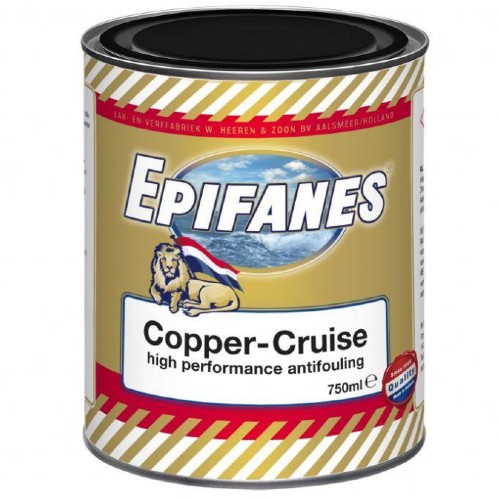
Epifanes Copper Cruise

In stock

Prijsklasse: € 33,88 tot € 198,20 Incl.
Select options This product has multiple variants. The options may be chosen on the product page
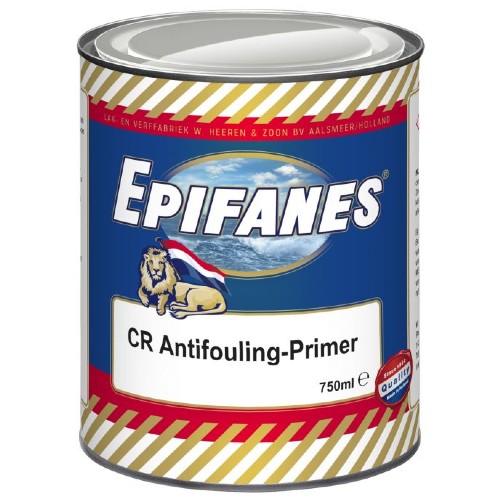
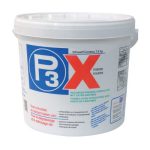
Epifanes CR Primer

In stock

Prijsklasse: € 31,10 tot € 100,10 Incl.
Select options This product has multiple variants. The options may be chosen on the product page
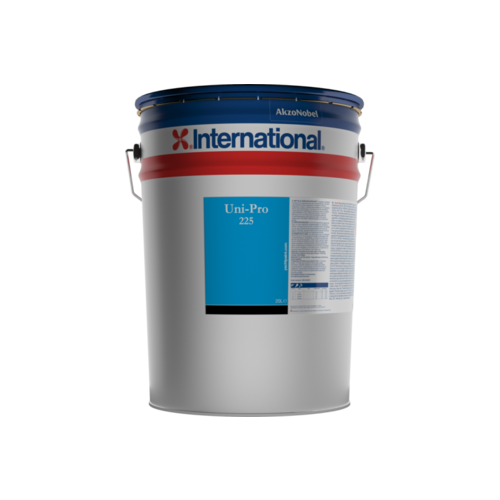
International UniPro 225

In stock

Prijsklasse: € 154,00 tot € 164,31 Incl.
Select options This product has multiple variants. The options may be chosen on the product page
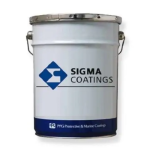
Vikote 18 Chlorine Primer

In stock

Prijsklasse: € 91,95 tot € 229,95 Incl.
Select options This product has multiple variants. The options may be chosen on the product page

What is antifouling?

Antifouling is a special paint applied to the underwater hull of a boat to prevent fouling by organisms such as algae, shells and barnacles. Among other things, this fouling can reduce fuel efficiency and cause hull damage. Antifouling contains biocides, substances that inhibit the growth of these organisms, helping to keep the hull clean and smooth.

Types of antifouling

You have different types of antifouling: hard and self-polishing.

Hard antifouling
Hard antifouling, such as the Epifanes Copper-Cruis, forms a tough, durable layer on the hull. This layer of paint does not wear off during use, meaning the biocides are released slowly to prevent fouling. Hard antifouling is ideal for fast boats and boats that are frequently taken out of the water, such as speedboats and regatta boats. It provides long-term protection and is suitable for intensive use. The disadvantage is that it can build up over time and must be removed and reapplied after several seasons.

Self-polishing antifouling
Self-polishing, or self-sharpening, antifouling gradually wears off while sailing, constantly releasing a fresh layer of biocides. This ensures that the hull remains protected at all times without creating a thick layer of paint. Self-polishing antifouling, such as the International Interspeed 340, is ideal for sailboats and yachts that stay in the water all season because its self-polishing effect helps keep the hull clean. It is also easier to touch up because it does not build up like hard antifouling. The downside, however, is that this antifouling can wear off faster when used intensively or when sailing at higher speeds, and therefore needs to be reapplied more often than hard antifouling.

Tips for applying antifouling

Although it is quite doable to apply anitfouling yourself, we want to give you a few tips:

  • If the hull is being treated for the first time or if the old coat is in poor condition, apply a primer compatible with the antifouling. For example Vikote 18 Chlorine Primer Whether the Epifanes CR Primer.
  • Use a roller or brush to apply the antifouling evenly. Work in thin layers and follow the manufacturer's instructions for the number of recommended coats and drying times.
  • Wear protective clothing, a mouth mask and safety glasses. The antifouling can be harmful to your body and clothing.
  • Apply antifouling within the recommended period before launching the boat.

Most frequently asked questions about antifouling

How often you should apply antifouling depends on the conditions in which your boat is used, such as the type of water (fresh, brackish, or salt), temperature, and how often the boat is in use. In general, it is recommended that a new coat of antifouling be applied annually, especially if your boat is constantly in the water. For less intensive use or in less aggressive waters, every two years may be sufficient.

It is possible to apply different types of antifouling on top of each other, but this must be done with care. It is important to ensure that the new antifouling is compatible with the existing coat. In some cases, it may be necessary to apply an intermediate coat or primer to ensure proper adhesion. Always consult the manufacturer's product information and instructions for compatibility and application recommendations.

Without antifouling, algae, shells and other marine organisms can quickly adhere to your boat's hull, leading to a rough and uneven surface. This increases drag in the water, significantly reducing your boat's speed and fuel efficiency. In addition, fouling can damage the hull and increase maintenance costs by making it more difficult to keep the boat clean and maintained.

Unsure about the right Antifouling?

Do you have questions about an Antifouling or need advice? We'd be happy to help. Please feel free to contact us:

Or stop by our Harlingen location.